DAYLIGHTING ANALYSIS IN ARCHITECTURE AND CONSTRUCTION

Daylighting in architecture: Using natural light for sustainable design

Balance comfort and the bottom line with daylighting in architecture and construction. Create brighter, greener environments while reducing energy consumption and costs.


Image courtesy of Khansaheb

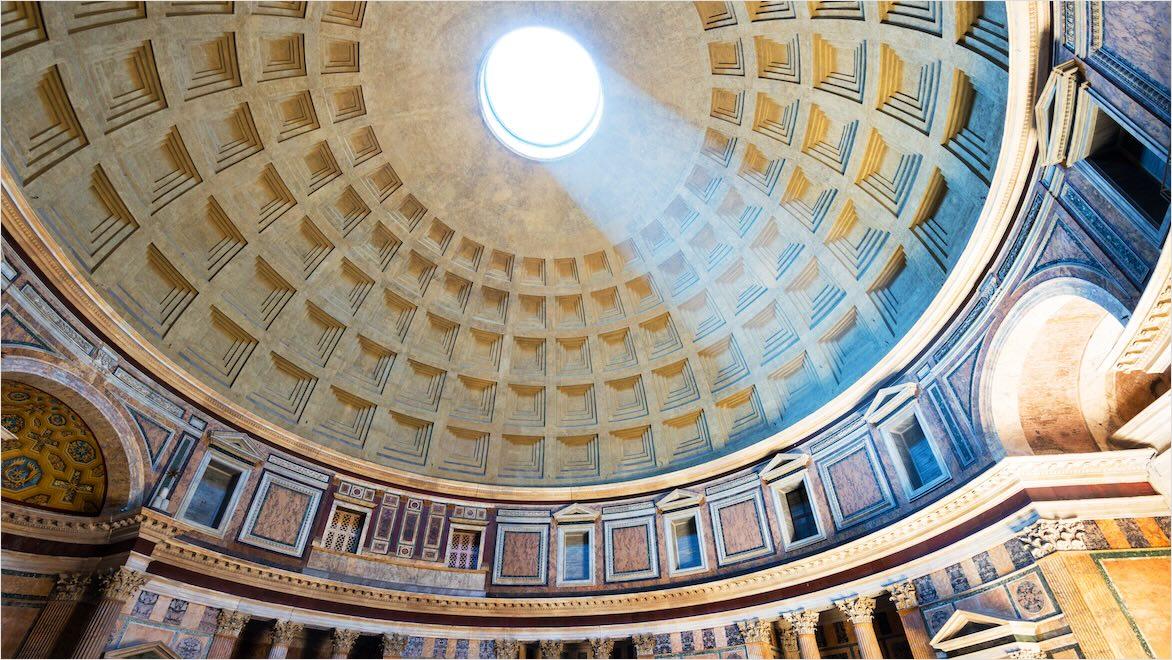
An interior image of the Pantheon shows light streaming from the ceiling oculus.
The Pantheon oculus creates dramatic lighting effects.

What is daylighting in architecture?

Daylighting in architecture and construction is the strategic use of natural light to illuminate indoor spaces, reducing the need for artificial lighting. Incorporating elements such as windows, skylights, and reflective surfaces, daylighting lowers energy loads and operating costs, making it crucial for energy-efficient design.

The evolution of daylighting in architecture reflects a progression from practical necessity to artistic expression. In ancient Rome, atriums brought natural light and air into homes, transforming them into bright and comfortable spaces. Over time, atriums became symbols of wealth and social prestige, evolving into grand public spaces that showcased sophistication. During the Renaissance, ornate ceilings and intricate designs further demonstrated architectural grandeur. The Pantheon in Rome exemplifies innovative daylighting design, with its oculus creating dynamic lighting effects that turn the structure into a transcendent space.

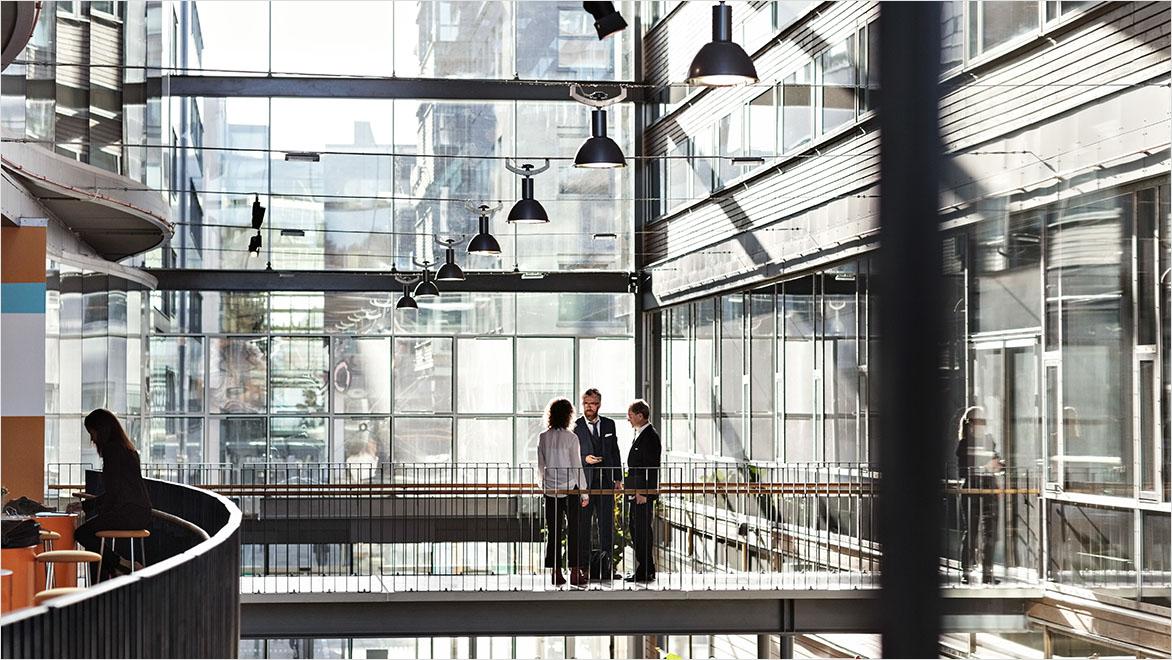
Three business colleagues stand together in a sunny office atrium.
Optimizing a building’s exposure to natural light reduces the need for artificial lighting and enhances occupant well-being.

Key principles of daylighting design

The key principles of daylighting in architecture revolve around making the most of natural light while ensuring comfort and energy efficiency. Optimizing building orientation is one of the most crucial steps—aligning a structure to maximize its exposure to natural light throughout the day reduces reliance on artificial lighting and enhances occupant well-being. Proper orientation considers seasonal changes in sun angles for optimal sunlight in the winter while minimizing overheating in the summer.

Another consideration in architectural daylighting is adjusting the window-to-wall ratio to find the right balance between daylight admission and thermal performance. Well-placed windows can provide ample daylight while preventing excessive heat gain or loss. Skylights and daylight redirection devices, such as light shelves or louvers, help diffuse light deeper into a space while minimizing glare, creating a more even and comfortable light distribution. High interior surface reflectance is key to effective daylighting design as well—using light-colored walls, ceilings, and surfaces helps amplify natural light, ensuring that it reaches all corners of a room.

Autodesk software for daylighting analysis in architecture and design

Cloud software that offers powerful, easy-to-use, AI-powered tools for pre-design and schematic design. Making the right decisions in the planning phase has never been easier.


Plan, design, construct, and manage buildings with powerful tools for Building Information Modeling.


Powerful BIM and CAD tools for designers, engineers, and contractors, including Revit, AutoCAD, Civil 3D, Forma Site Design, and more


The benefits of daylight analysis in architecture

Energy savings

Natural light can reduce energy expenses by up to 40%, significantly cutting costs by decreasing the need for artificial lighting and climate control.

Enhanced productivity

Exposure to natural light improves productivity and visual comfort in work environments, boosting employee performance and overall well-being.

Healthier indoor environments

Sunlight contains ultraviolet (UV) rays that prevent mold growth and kill mold spores. Reducing dampness and improving air quality also make spaces less attractive for insects, leading to a healthier environment.


Improved retail experiences

Natural light enhances retail environments, creating a more inviting atmosphere that improves customer experiences and potentially leads to increased sales.


Key sources of natural light

When carrying out daylighting analysis, it’s important to understand the different sources of natural light and how they may be implemented in daylighting design.

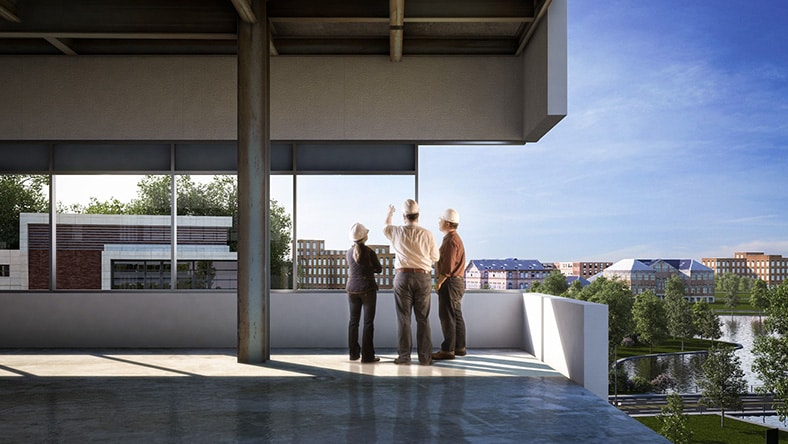
Walk through on hospital construction project under construction using BIM to make decisions for curtain wall attachment.

Direct sunlight

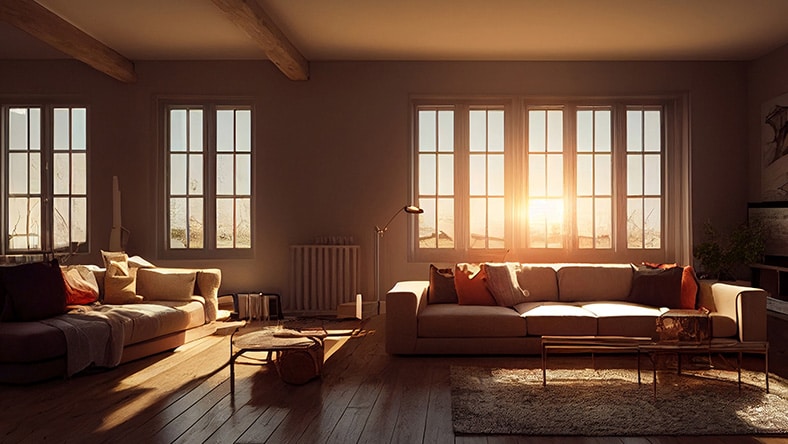
Direct sunlight is unscattered natural light that comes through a building aperture in a straight line directly for the sun. It is notably high in intensity and can create strong shadows.

A 3D render of a living room with a cozy vibe and decoration

Diffuse sunlight

This is sunlight that has been scattered by surfaces and by the clouds and other atmospheric conditions. Softer than direct sunlight, windows can be strategically placed to take advantage of diffuse sunlight.


Image courtesy of Wirestock

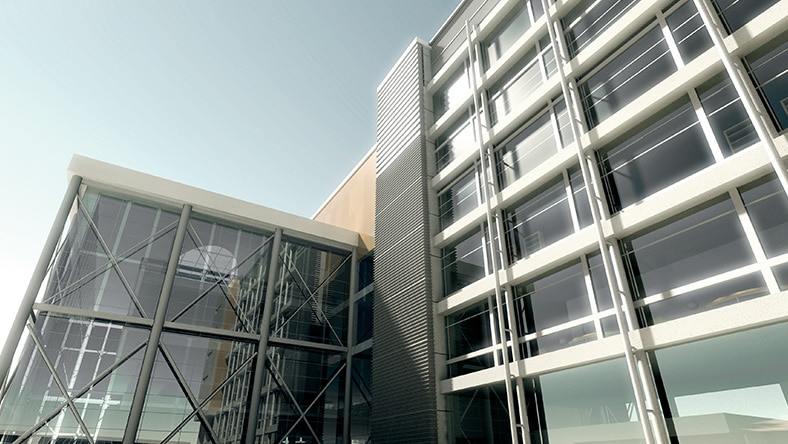
Modern glass and metal office building exterior under clear sky.

External reflection

External reflection in daylighting design refers to the light that bounces off surfaces outside of the building, such as walls and other buildings.

Business meeting with three professionals discussing work at a modern office table.

Internal reflection

This light bounces off interior walls, ceilings, floor and furniture, so the placement of these features, their color, and the material they are made from are all important factors to consider.

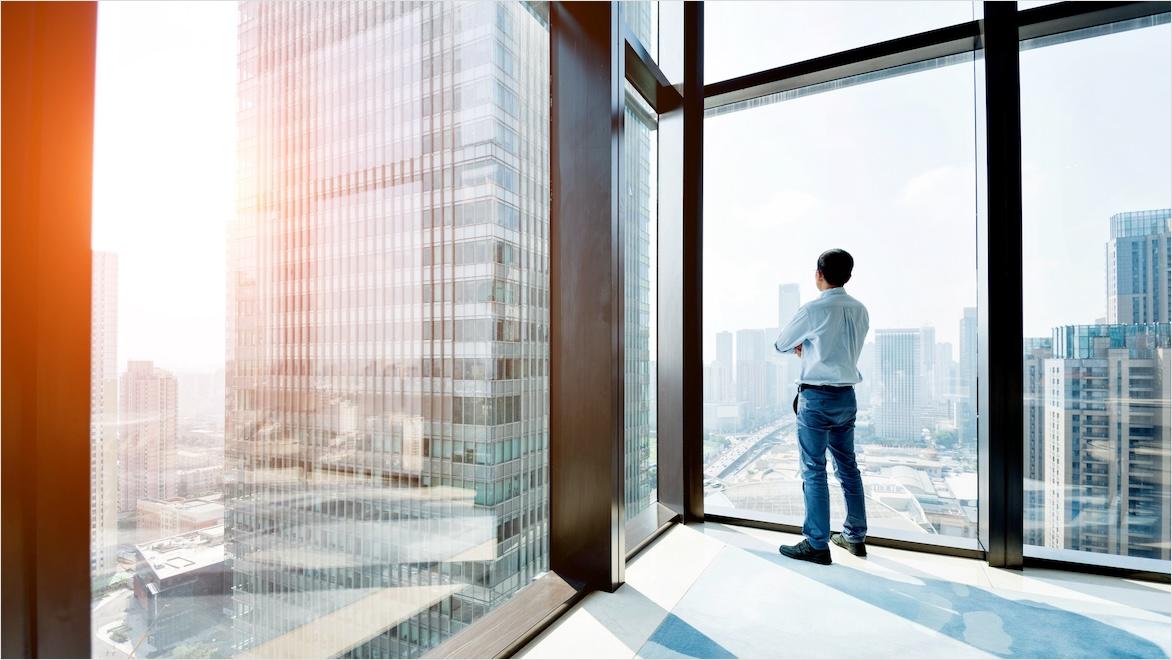
A businessman stands at an expansive window looking out at a skyscraper.
Daylighting design informs energy-efficient, comfortable spaces.

Best practices for daylighting design

Effective daylighting design uses different strategies to maximize natural light while ensuring occupant comfort and energy efficiency. A thorough site analysis using daylight analysis software helps the designer understand sunlight pathways and obstructions, guiding building orientation and window placement decisions.

By carefully selecting materials with the right reflectance and transparency properties, architects can create buildings that are energy efficient and comfortable and also visually appealing and healthy for occupants.

Planning for different sky conditions and selecting suitable glazing materials further contribute to balanced and consistent lighting levels throughout the day and year.

Architects use devices such as awnings, overhangs, sun breakers, and even trees to manage the amount of direct sunlight entering a building. When strategically placed, these elements minimize glare and strike the right balance of light and shade.

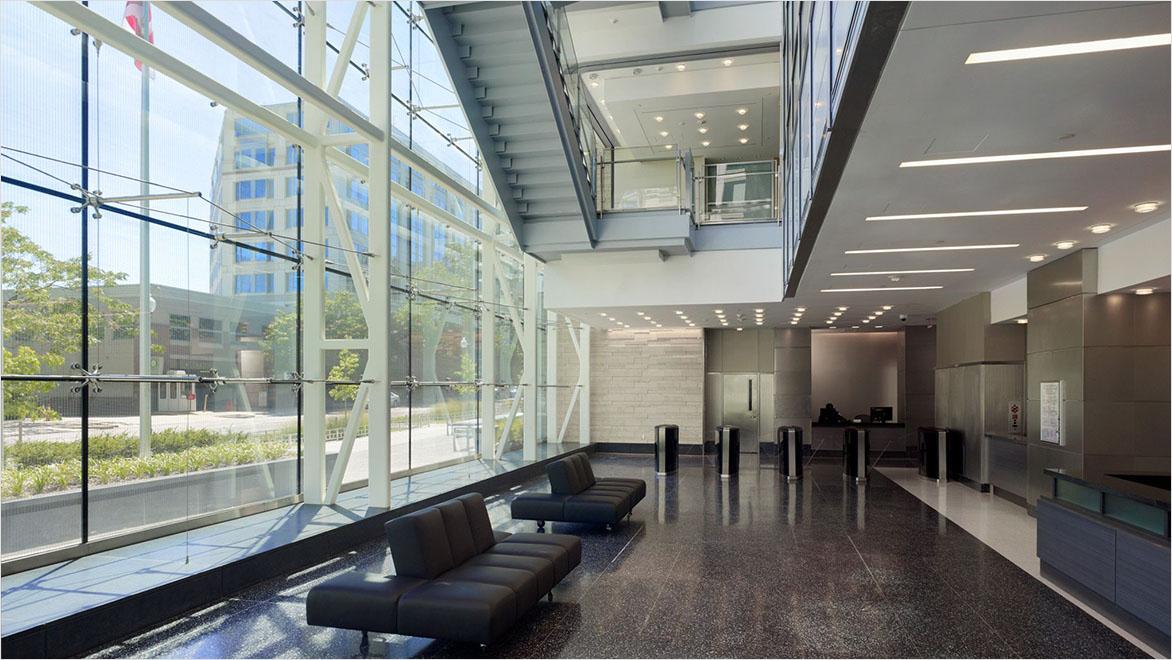
DC Consolidated Forensic Laboratory in Washington, D.C. designed by HOK.
Image courtesy of HOK, © Alan Karchmer/OTTO

Location, location, location

The location plays an important role in the amount and quality of light available in a building, so it is a key factor to consider in daylight analysis. The actual geographical location of the site is very significant as it will determine the path of the sun and its angle throughout the day, as well as the weather patterns. The direct surroundings of the building are also important to consider, as nearby buildings, trees and geographical features can all affect the light available. The orientation of the building, particularly which parts face north or south, is also an essential consideration as south-facing windows receive the most sunlight. Daylight analysis software can help you bring together all these factors and make the right decisions.

Advanced techniques for effective daylighting in architecture

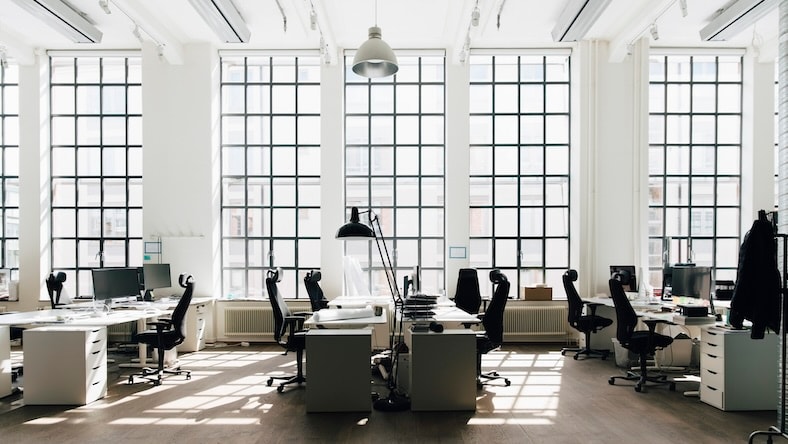
A modern office space is flooded with light from floor-to-ceiling windows.

Window placement

Placing windows strategically, especially higher on walls, helps maximize daylight penetration while minimizing glare and uneven lighting. 


A team of professionals are talking in a bright office.

Light shelves

Light shelves reflect sunlight deeper into a building, improving daylight distribution while reducing glare and enhancing visual comfort.

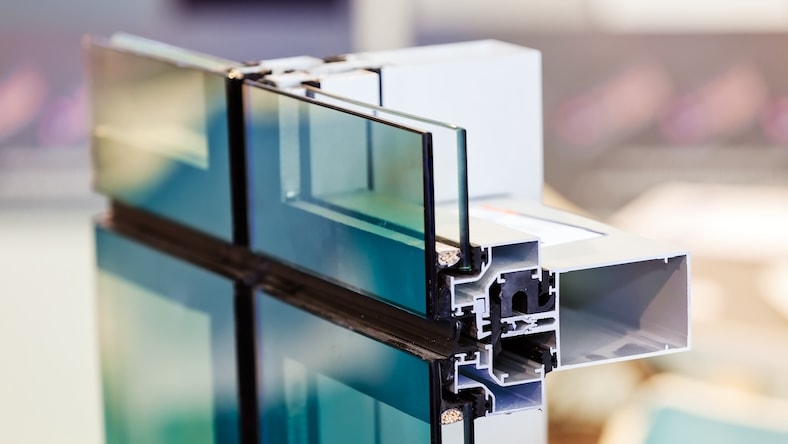
A window panel is cut to show layers of metal, glass, and insulation.

High-performance glazing

High-performance glazing optimizes daylight transmission while minimizing unwanted heat gain and glare, improving energy efficiency in the process. 


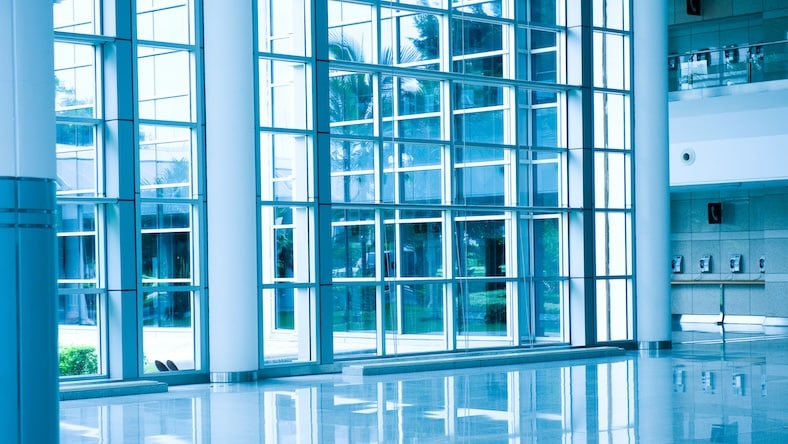
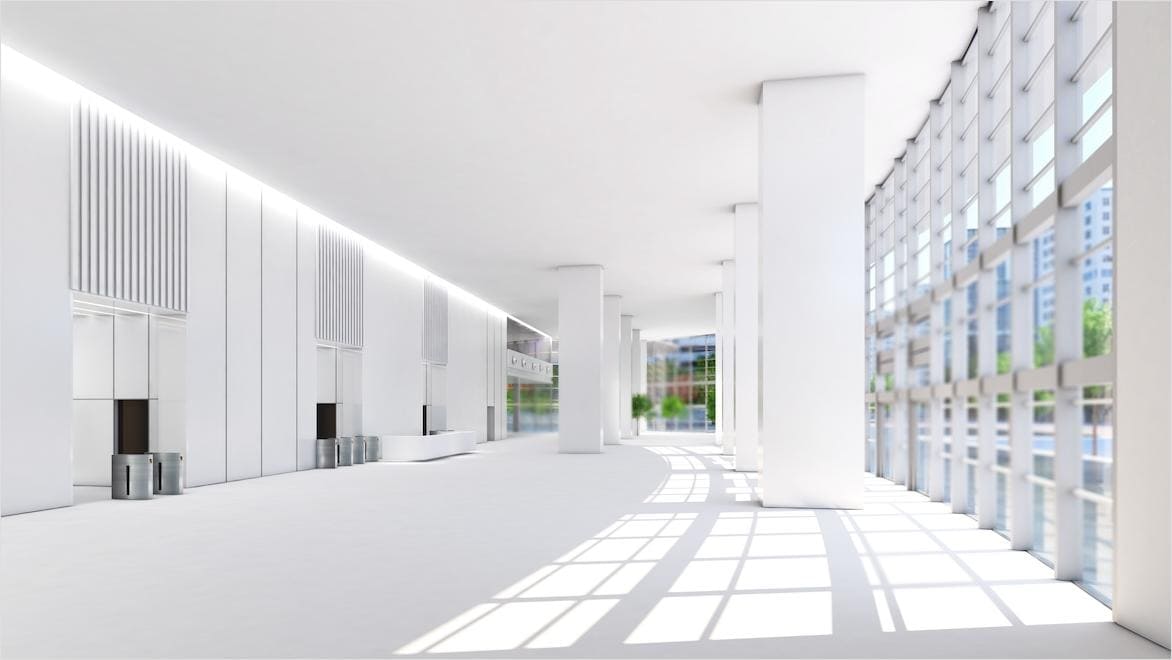
A modern building interior features floor-to-ceiling windows and a light, reflective floor.

Interior reflective surfaces

Reflective interior surfaces help amplify natural light and distribute it more evenly throughout the space, reducing the need for artificial lighting.


A modern building’s interior is bordered by windows on one wall and artificial lighting on the other.
Balancing natural and artificial light ensures comfortable conditions for building occupants.

Balancing artificial lighting and natural light

Integrating artificial lighting with daylight requires careful planning to create optimal light levels for comfort and energy efficiency. Key strategies include using daylight-responsive controls and light sensors to automatically adjust artificial lighting based on the availability of natural light and creating lighting zones that align with natural daylight distribution patterns. Automated shading systems manage glare and maximize natural light use, while consistent color temperature between artificial and natural light sources enhances visual comfort. Regular maintenance of lighting systems, along with effective glare management and balancing heat gains, helps ensure efficient and comfortable lighting conditions.

The role of direct sunlight in architectural daylighting

Dynamic light and shadow

Direct sunlight creates dynamic light and shadow patterns, enhancing the aesthetic appeal of spaces.

Control glare and thermal comfort

Blinds, shades, and strategic window placement help control glare and minimize thermal discomfort.

Thermal impact considerations

Considering the thermal impact of sunlight helps reduce cooling loads and overall energy use.


Thoughtful design

Thoughtful design for optimal daylighting harnesses the benefits of direct sunlight while mitigating glare and overheating through shading, glazing, and strategic planning.


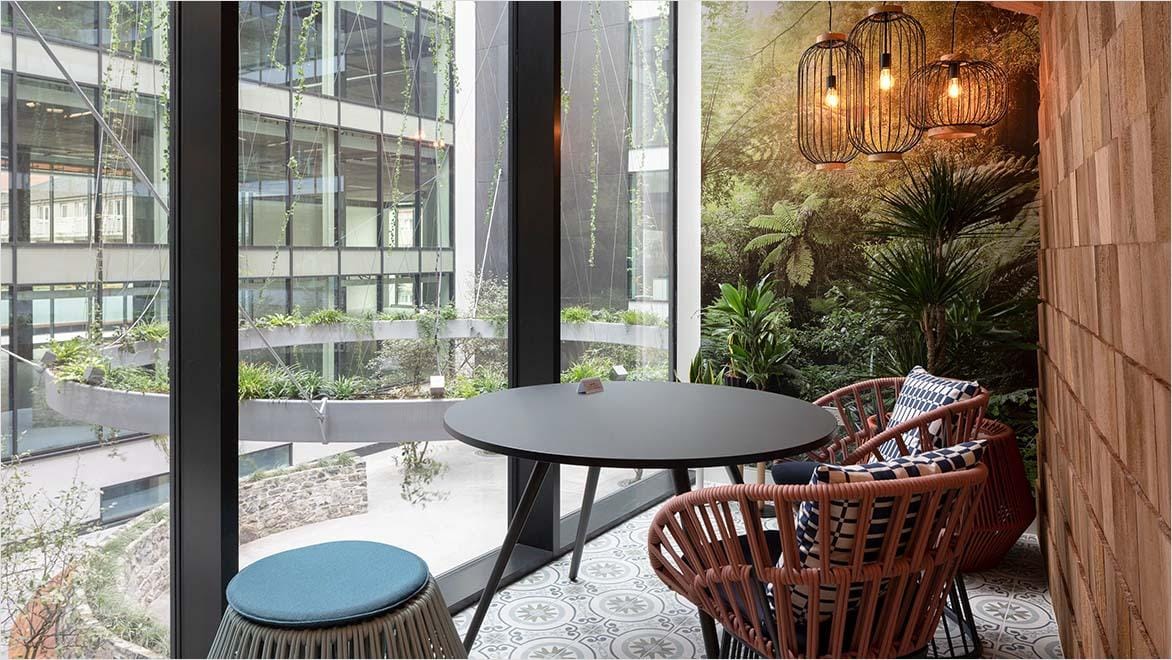
Interior view of the Dublin, Ireland Autodesk office.
Daylighting plays an essential role in sustainable design.

Sustainable design and daylighting in architecture

Daylighting design plays a crucial role in sustainable design by harnessing natural light to reduce energy consumption, enhance occupant comfort, and improve indoor environmental quality. By effectively using natural light to illuminate interior spaces, daylighting reduces reliance on artificial lighting, significantly lowering energy consumption and costs, which is essential for achieving sustainability goals.

Incorporating passive cooling strategies, like natural ventilation and thermal mass, further enhances the energy efficiency of daylighting. These strategies work together to maintain comfortable indoor temperatures by minimizing the need for mechanical cooling systems. Sustainable design focuses on reducing energy use and also aims to create healthier, more productive spaces for occupants. Natural light positively impacts mood, productivity, and overall well-being, contributing to a comfortable and appealing indoor environment.

The Genzyme headquarters in Cambridge, Massachusetts, is a shining example of the impact effective daylighting strategies can have. Redirecting blinds and reflective ceilings, along with the use of glass walls and translucent panels, has maximized natural light and led to a 36% reduction in lighting energy use.

Daylight analysis in Autodesk Revit and Forma Site Design

Forma Site Design daylight analysis

Daylight plays a crucial role in health, happiness, and productivity—yet ensuring buildings have adequate access remains challenging for architects and urban planners. Discover how daylight potential analysis is transforming the process.


Illuminate your best design with Revit daylighting analysis

Dive into Revit’s daylight analysis and design tools, offering workflows, best practices, and insights from a top architectural firm. Learn to create detailed daylight analysis models, improve sustainability, and support LEED goals.


Autodesk University learning sessions featuring daylighting analysis

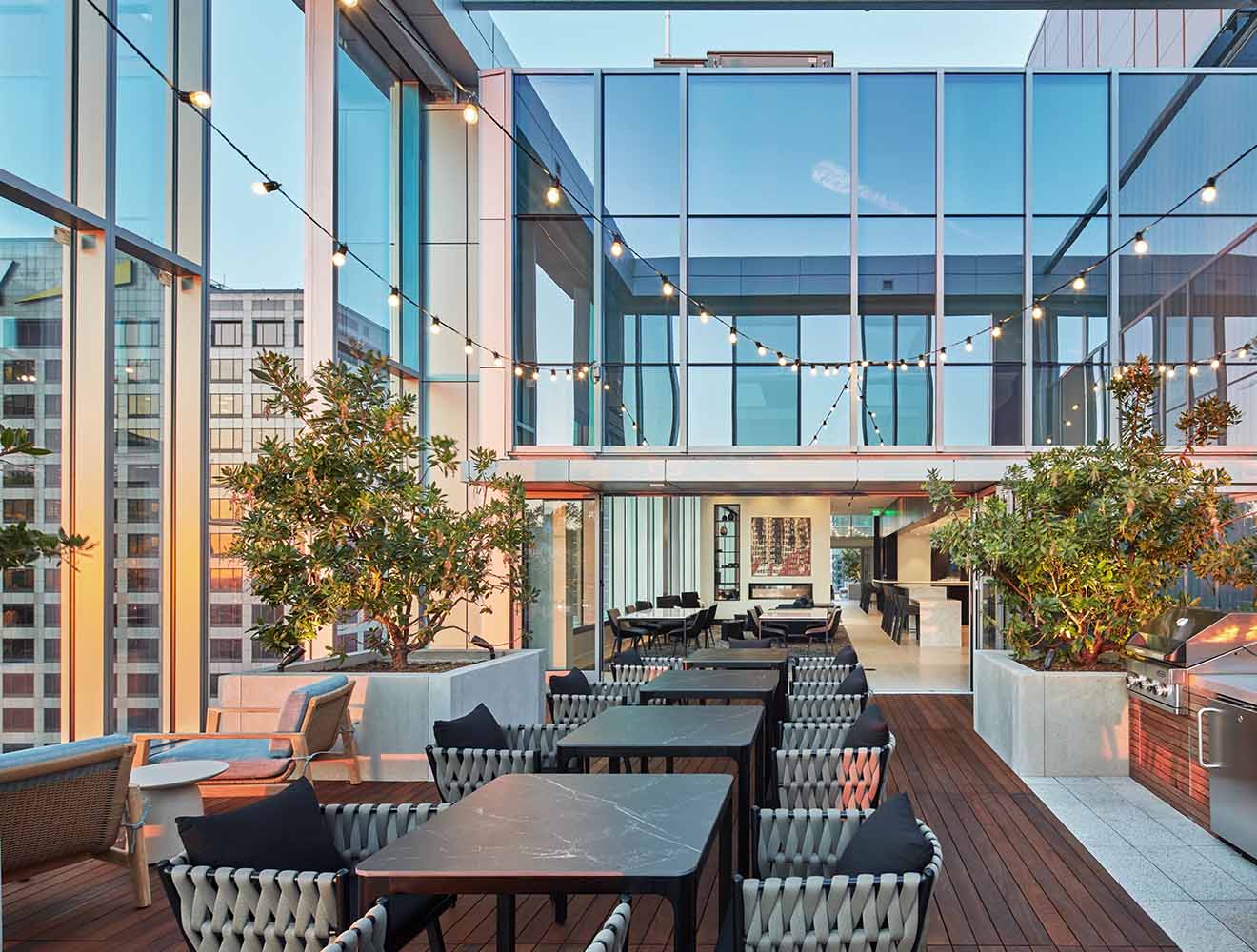
Modern rooftop dining area with glass architecture and string lights.

Illuminate your best design with Revit daylighting analysis

Take a closer look at daylight analysis in Revit with this Autodesk University learning session. You’ll learn how to incorporate daylighting strategies into designs right from the start, how to set up daylighting analysis in Revit, and more.

Image courtesy of Benny Chan

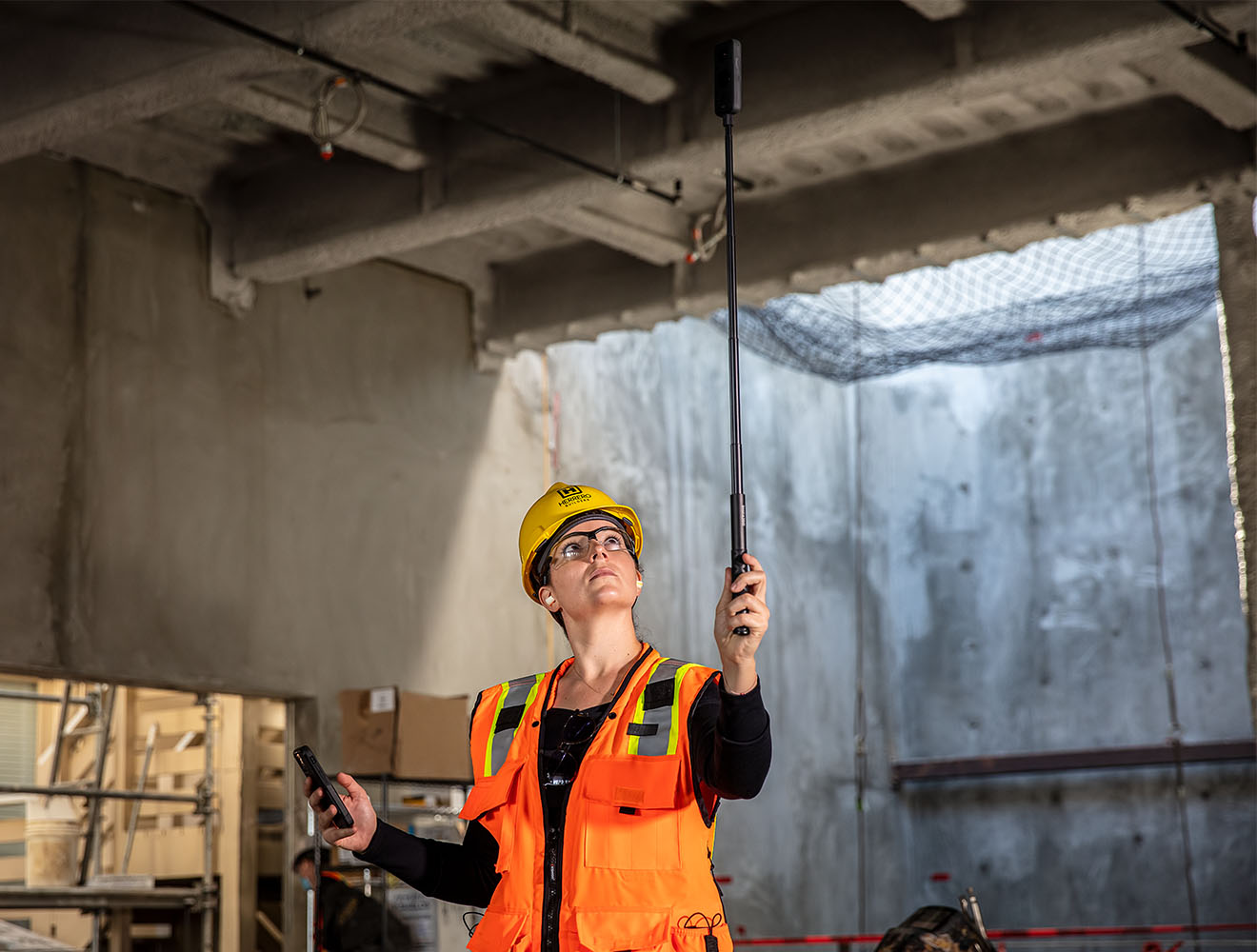
Construction worker inspecting ceiling with a handheld measurement device.

Come to the light: Revit lighting and daylighting performance analysis for everyone

Learn how to apply essential metrics for lighting and daylighting analysis, and find out the most effective practices for getting accurate simulation results. In this tutorial, you’ll also learn how to prepare LEED 2009 IEQc8.1 daylighting credit submissions and how to perform advanced daylighting analyses.

Modern high‑rise buildings viewed from a circular architectural courtyard.

Informed architectural design: Daylighting and solar insolation analysis

Learn how to improve building lighting performance by analyzing solar insolation exposure. In this presentation, we cover the benefits of iterative analysis, the purpose of daylighting and solar insolation analysis, and how to visualize results.

Getting started with daylighting analysis software

If you want to get to grips with Autodesk’s daylighting analysis software and learn all the fundamentals, look no further than our dedicated learning courses.

In this collection of tutorials, you’ll learn all the essentials for using Forma Site Design software. Subjects covered include: 

  • Creating projects 
  • Editing base layers, applying constraints and canvas navigation 
  • Running and comparing analysis results for daylight potential, microclimate and more 
  • Integrating Forma Site Design with Revit and Rhino 
  • Best practices and tips for project management 

This collection of tutorials teaches you everything you need to hit the ground running with Forma Site Design. By the end of the guide, you’ll be able to: 

  • Manage projects in Forma Site Design 
  • Preview and add geometries 
  • Apply constraints 
  • Conduct sun hours analysis 
  • Carry out microclimate and wind analysis 
  • Compare analyses 

Master the basics of Revit with this quick-start guide. Topics covered include: 

  • Interface basics 
  • Revit Keyboard shortcuts 
  • Parameters, elements and dimensions 
  • Sketch modes in basics 
  • Creating sheets 

In this comprehensive course on Revit, you’ll enhance your Revit skills, whether you’re an absolute beginner or an established user. You’ll learn how to: 

  • Navigate the Revit interface 
  • Understand and apply key concepts within Revit 
  • Initiate basic tasks and manage project workflows 
  • Design and modify elements 

Daylighting resources

Explore how daylight analysis in BIM (building information modeling) can help you design brighter, more comfortable spaces while reducing energy loads.


Discover how iterative daylighting analysis can enhance building performance and guide design decisions through effective visual comparisons. 


Learn about analysis and design strategies, energy efficiency features, industry trends, and tips to enhance architecture projects. 


Discover how the futuristic complex is setting a new standard for sustainable architecture and promoting a greener future. 


Learn how architectural daylighting brings residential and commercial spaces to life. 


Frequently asked questions (FAQs) about daylight analysis

How does daylighting in architecture reduce energy consumption?

Daylighting reduces energy consumption by maximizing the use of natural sunlight to illuminate indoor spaces, which decreases the need for artificial lighting. When a building is designed to effectively utilize natural light, artificial lighting can be turned off or dimmed during the day, leading to significant energy savings. This also helps reduce cooling loads, as daylighting strategies minimize heat gain from artificial lights. By reducing the dependency on artificial lighting and enhancing overall energy efficiency, daylighting design can cut lighting-related energy expenses by up to 40%.

What are the key principles of effective daylighting design?

Effective daylighting design relies on several key principles: optimizing building orientation to maximize exposure to  natural light, balancing the window-to-wall ratio for proper daylight admission and thermal performance, and incorporating elements such as skylights and light shelves to diffuse light more evenly. High interior surface reflectance, using light-colored walls and ceilings, also enhances light distribution throughout indoor spaces. Together, these strategies help create comfortable, well-lit environments that  reduce energy consumption and improve overall occupant well-being.

What role does architectural daylighting play in human health?

While daylight analysis in architecture might seem like a purely functional design and construction consideration, it can actually have significant impacts upon human health. Light influences the body’s internal clock, the circadian rhythm, and it is also well established that exposure to high levels of natural light can improve mood and alertness. For these reasons, daylight analysis should be considered carefully during the design of commercial and residential buildings.

How can architects overcome common challenges in daylighting?

Architects can overcome daylighting challenges by using comprehensive site analyses to understand sunlight pathways and potential obstructions, enabling better decisions about orientation and shading. Selecting suitable materials with appropriate reflectance and transparency optimizes light distribution while shading devices regulate glare and maintain thermal comfort. Incorporating daylight simulation software further supports informed design choices. By combining these strategies, architects can create well-lit, comfortable spaces that effectively harness natural light in diverse environments.

What tools are available for daylighting analysis?

Several Autodesk daylight analysis tools are available for daylighting analysis to help architects evaluate natural light performance. Forma Site Design offers daylight potential analysis so architects can assess design performance and visualize daylight potential in context with the surrounding buildings and environment. Autodesk Revit provides daylighting assessments within the BIM workflow, supporting detailed analysis and sustainable design. Autodesk Insight integrates with Revit to deliver energy performance analysis, including daylighting, while Autodesk Green Building Studio offers cloud-based whole-building energy analysis. These tools help architects optimize natural light, enhance comfort, and achieve sustainability goals.

Why is integrating electric lighting with daylighting important?

Integrating artificial lighting with daylighting is crucial for achieving consistent lighting levels, optimizing energy efficiency, and enhancing occupant comfort. By combining natural and artificial lighting strategies, architects can create adaptive systems that adjust based on daylight availability, ensuring balanced illumination throughout the day. This integration helps reduce energy use by up to 60%, contributing to sustainability goals. Effective use of both lighting types minimizes energy consumption when natural light is sufficient and provides supplementary lighting when needed, maintaining visual comfort, productivity, and well-being for occupants.

See more FAQ